For your plants to be the best, they need an environment that is the best. Using mulch allows you to achieve that and more, providing essential nutrients and protection against pests, weeds and temperature changes.
In this blog, we’ll explore the benefits of mulch and how you can use it to get the most out of your garden.

1. Moisture retention
Moisture is one of the most important parts of healthy plant life as it allows them to absorb essential nutrients required to grow. Mulch helps make this happen by acting as a protective barrier, shielding the top layer of soil from sun and wind to prevent water from evaporating.
Organic mulches also create a porous surface that improves water infiltration. This is great as it helps your soil absorb more water, instead of just bouncing and running off the moment it lands. In times of drought, this is both incredibly important not just for your plants, but also for the planet.
As the weather becomes increasingly unpredictable, the need to save as much water as possible also increases. With mulch, you can reduce evaporation by up to 75%, helping to conserve water and reduce your environmental impact.
2. Weed prevention
No one likes weeds, no matter who they are. They steal essential nutrients, can harbour pests and diseases, and overcrowd what was once a beautiful display.
Mulch is a natural weed controller as it acts as a protective layer for exposed soil, restricts access to nutrients and reduces overall growth rate preventing it from spreading.
What’s the best mulch to stop weeds?
For weed prevention, look for a woodland garden mulch which creates a dense covering restricting weeds from sprouting through.
3. Nutrients
Macro and micronutrients are essential to a thriving garden allowing the soil to become the perfect bio-home for healthy plants.
Trees and plants naturally create a layer of organic matter on the ground which slowly breaks down over time to provide essential nutrients. Both macro and micronutrients are vital to a thriving garden, transforming soil into the perfect home where healthy plants can blossom.
Mulch replicates the natural decomposition process, allowing you to add organic matter to areas in need of soil fertility.
If your soil is particularly lacking in nutrients, compost and soil improvers can help elevate it by adding essential nutrients while protecting roots and improving the overall structure.

4. Temperature regulation
Soil is incredibly vulnerable to temperature changes all year round; whether it’s drought from the scorching heat of summer, or frozen over from the frigid cold of winter.
By applying a 50mm-75mm layer of mulch on top of your soil, you can maintain its temperature before it feels the seasonal effects. This allows you to keep it moist in the summertime and warm during the wintertime.
5. Flood prevention
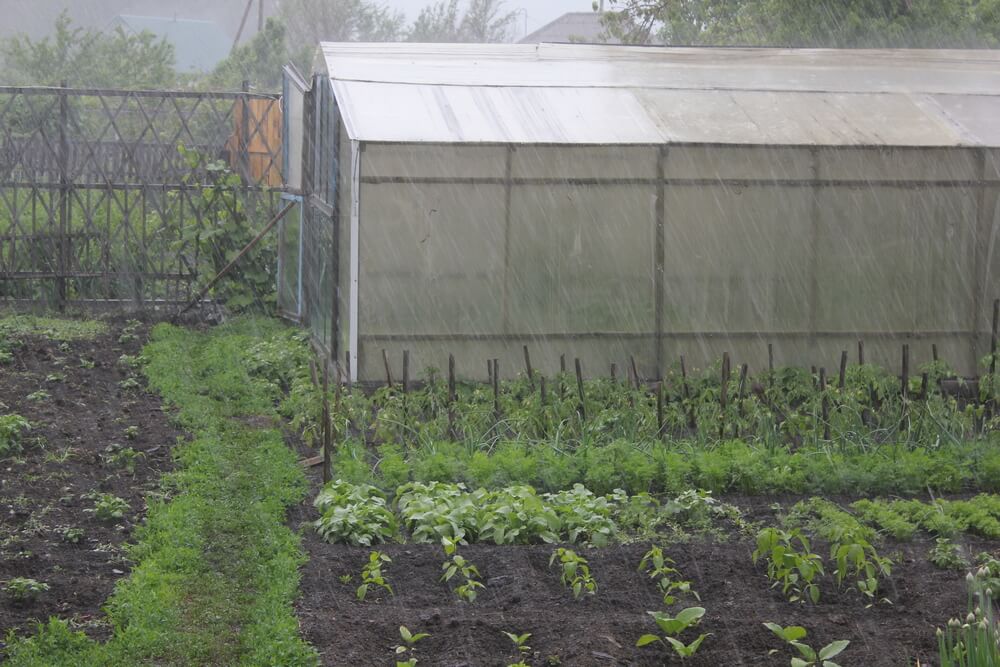
When it rains a lot, excess water quickly accumulates, which is sometimes detrimental to plants as it may cause them to drown. Mulch is an excellent solution to prevent this.
Mulch acts as a sponge to absorb and retain water, reducing the amount of runoff and allowing it to percolate into the soil. This also helps create an erosion-avoiding structure, which is especially important during periods of heavy rainfall.
What’s the best mulch to use during heavy rainfall?
Look for a heavy mulch that absorbs plenty of water, such as woodland garden mulch. Avoid using light mulches such as leftover grass or leaves, as this can get washed away during floods, leaving you with much more work.
6. Biodiversity
Plants need a healthy, stable and resilient environment to flourish.
By using mulch, you can create a habitat filled with microbial activity (such as bacteria and fungi) and living organisms (such as insects, spiders and worms). These help to break down organic matter, enriching the soil, and improving the soil’s fertility and nutrient content.
Increased bug life also helps with pollination and acts as a natural protection against pests and diseases.
7. Aesthetically pleasing
Not only is mulch good for your plants, but it can help elevate the appearance of your garden. Using natural woodland mulches, you can make bushes stand out, flowers pop with vibrancy, and your footpaths much clearer.
8. Longer Plant Life
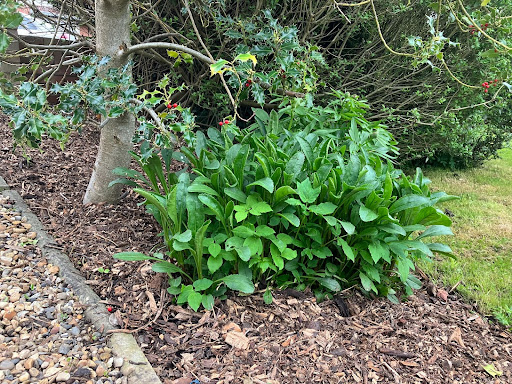
With proper nutrition, moisture retention, optimal temperature, and protection against bothersome weeds and flooding, you can be sure that your plants can thrive and enjoy a long, healthy life under your care.
How To Avoid Mulch Bringing In Pests?
Although mulch has many benefits for plant life, it can also create a breeding ground for pests, which is the last thing you want.
To have a pest-free mulch-full garden, consider removing any old mulch before applying a new layer as it will disrupt their habitat and lifecycle. Keeping this in mind, it’s also important not to use too much mulch. A layer between 50mm and 75mm is sufficient enough to provide your plants with the necessary protection and moisture without attracting nearby pests.
Should I Use Mulch?
No matter who you are, whether you’re a seasoned gardener or homeowner looking to take advantage of your outdoor space, incorporating mulch into your gardening routine will help you for years to come.
If you’re new to mulching, our full beginner’s guide to mulch covers everything you need to know and more.
At Envar, we have over 30 years of experience in creating compost and garden mulch and can offer advice and recommendations that work best for the situation at hand.
Get in touch with us today at 01487 849 840 or enquiries@envar.co.uk, and a member of our team will be happy to help.