
How your mulch behaves each season will depend on different factors such as the mulch you use, the temperature, and the plants you’re protecting. Mulch offers several benefits, such as moisture retention, weed suppression and temperature regulation, so it only makes sense that you maintain it as best as possible.
In this blog, we’ll take a closer look at what you can expect each season and how you can best maintain your mulch for a thriving garden.

How To Maintain Mulch Beds
Spring
What to expect
At the start of spring, you’ll likely notice that your layer of mulch has reduced. . This is expected, mulch will breakdown and decompose over time, also harsher weather conditions can blow or wash away the mulch from your borders.
As winter turns into spring the soil beneath your mulch begins to warm up, some mulches, such as hay or straw, can be prone to decomposing quickly. Whilst this is great for the short term as your soil and plants receive nutrients, you’ll need to add more mulch in time for the summer.
How to maintain mulch in the springtime?
A simple way to do this is by loosening it up with a rake and removing any debris that may have accumulated over the winter. To prevent plant damage, make sure the mulch is a couple of inches away from the stems.
Next, add new mulch to the soil to the existing mulch to maintain a mulch depth of 2-4 inches. Alternatively you can add a whole new fresh layer. Applying new mulch is essential if the existing mulch has decomposed as it will help retain moisture and prevent weed growth, which can be common problems with the soil warming up.
Summer
What to expect
During the hot summer months, mulch plays an important role in keeping the soil cool and preventing it from losing moisture. However, if the layer of mulch is not deep enough, it may not provide adequate protection against the sun, causing the soil to dry out quickly and plants to wilt away.
How to maintain in hot summers?
In the summer, it’s best to use an organic mulch that can retain moisture whilst keeping the soil as cool as possible, such as compost or woodland mulch. These break down slowly and will enrich the soil over time.
It goes without saying, but make sure to consistently water your plants during dry spells to prevent them from becoming too dry. As weeds thrive in every season, make sure to remove any you see to stop them from competing with your plants for nutrients and water.
Autumn
What to expect
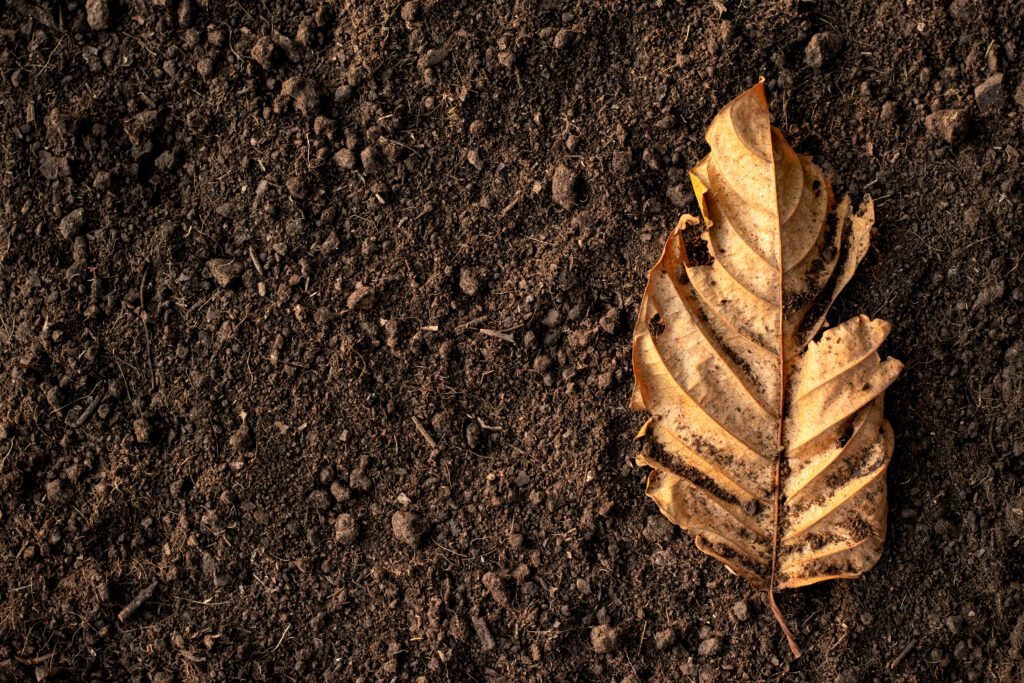
As autumn arrives, leaves will begin accumulating on top of your mulch, reducing its effectiveness as water and air are blocked off from reaching the soil.
As the temperature gets colder towards the end of autumn, mulch is slower to decompose which helps to keep your soil protected as you head into winter. However, colder temperatures can make your mulch more susceptible to fungal growth.
How to maintain mulch for Autumn?
Make sure to rake the mulch, loosening it up and removing debris that might have accumulated over the summer.
Along with this, add a fresh layer of mulch to protect the plant roots from freezing temperatures. It’s best to wait after the first freeze; if you apply straight away, you can attract unfriendly insects looking for warmth.
Use mulch that is not too dense or heavy, such as straw or woodland mulch , as you can otherwise trap too much moisture causing the roots to rot.
When applying the new mulch, make sure to maintain a depth of 2-4 inches to provide insulation to your plant’s roots without blocking the airflow.
Winter
What to expect
Entering the winter months without laying down mulch is often a recipe for disaster, with cold temperatures and lack of sun causing the ground to freeze over. Using mulch will help prevent this from happening, insulating the soil and protecting your plants’ roots in the process.
How to maintain mulch for freezing temperatures?
If you use too much mulch, it can trap moisture and lead to root rot. This is why it’s important to use a light layer with a depth of between 2-4 inches, ensuring your soil is not over-weighted and moisture is not trapped.
Another way to prevent damage to your plants is by removing any excess or wet mulch that may have accumulated. Some types of mulch, such as wood chips or shredded leaves, can help improve soil structure and add nutrients to the soil as they break down over time.
Get in touch with Envar today
If you have any questions about preparing your mulch for the upcoming weather, we can help you. At Envar, we have over 30 years of experience with composting and mulching, offering advice and recommendations that work best for your situation.
Get in touch with us today at 01487 849 840 or enquiries@envar.co.uk, and a member of our team will be happy to help.